



17 Nov Exploring Tariff-driven Shifts in Tri-State CRE
Reading Time: 2 minutesThe recent escalation of broad-based U.S. import tariffs is introducing a fresh set of headwinds—and some unexpected opportunities—for commercial real estate (CRE) in the New York City tri-state region. While much of the focus has been on manufacturing and trade, the ripple effects (regardless of your politics) are impacting construction costs, leasing decisions, investor sentiment, and asset valuations.
Construction & development cost pressures
Imported raw materials and components are now subject to higher duties and supply-chain disruption, driving up costs for ground-up development, repositioning, and renovation work. Recent economic data shows that higher tariffs on building materials is triggering delays and cost overruns. For example higher tariffs on steel, aluminum and other building materials are adding margin pressure for developers who are in the midst of construction. Therefore, projects in Manhattan, northern New Jersey, and Fairfield County that rely on imported structural or façade components may see longer timelines and tighter budgets.
Leasing demand
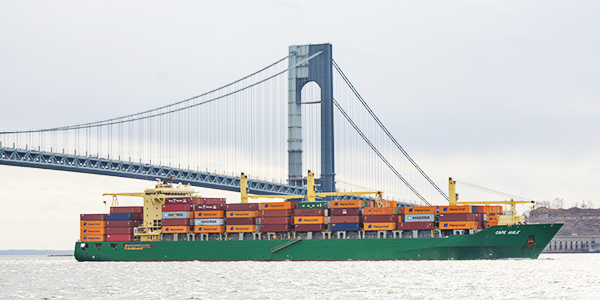
The rise in tariffs also appears to be promoting more caution by tenants, especially in retail, industrial/warehousing, and other sectors sensitive to global trade. According to CRE industry experts, retailers are pausing right now on retail transactions and similarly with industrial. In the tri-state region, where logistics along the Port of New York & New Jersey and the regional home-goods/consumer-goods sectors are busiest, this caution could translate into slower demand or lease renewals. Possible implications in each of these sectors are outlined below:
- Industrial space: tenants may renegotiate or defer expansion if their cost base increases via tariffs or if trade flows decline.
- Retail: elevated cost of goods or supply-chain disruption may reduce store expansion or lead to smaller footprints.
- Office: while less directly exposed, slower economic activity and higher inflation/borrowing cost could dampen overall occupancy growth.
Valuations, capital markets & investor sentiment
Trade-policy uncertainty is making investors and lenders more nervous. Some reports show that when uncertainty rises, cap rates may go up. That means property values may go down.
In the tri-state CRE market, conditions are already tough. Interest rates are high. Operating costs are rising. Tenant needs are changing. Adding tariff risk on top of this may cause investors to slow down and be more careful.
A few key points stand out. High-quality assets — like top Midtown office buildings or well-located logistics warehouses — may still attract strong interest. But secondary properties and value-add projects may face bigger challenges. Financing costs may also rise, and refinancing could become harder, especially for projects with big exposure to material or contractor price increases. Slower investment activity may lead to fewer deals, lower liquidity, and wider gaps between buyer and seller pricing.
The NYC tri-state region has both strengths and weaknesses in this environment. One advantage is that prime locations with strong demand and limited supply can better absorb higher costs. They may even benefit if new projects get delayed. But tariffs can also push consumer prices higher. That may weaken retail demand, reduce spending, and hurt hospitality and secondary markets.
Conclusion
While tariffs are only one of several macro forces at play in the tri-state CRE market, they increase significantly the transactional friction in an already challenging environment. For local market participants, the key will be to distinguish between resilient, high-quality assets that can absorb inflation and delay, and fragile assets for which cost escalation, leasing hesitation or weaker fundamentals may lead to under-performance. Navigating this tariff-laden landscape effectively will require sharper underwriting, stronger asset-level operating discipline, and more conservative capital planning.