
Mold & Asbestos
Volatile organic chemicals (VOCs) in soil or groundwater can vaporize and migrate into buildings, potentially affecting indoor air quality.
ESA provides vapor intrusion investigations to evaluate potential exposure, identify environmental concerns, and determine whether mitigation measures are necessary.
INDOOR ENVIRONMENTAL SERVICES

Understanding Mold & Asbestos in Your Property.
Vapor intrusion occurs when volatile organic chemicals (VOCs) from contaminated soil or groundwater turn into vapors and migrate into buildings, potentially affecting indoor air quality.
These vapors can enter through soil or underground utility pathways. Common sources include industrial solvents, dry-cleaning chemicals, gasoline, fuel oil, and kerosene. Long-term exposure through inhalation may pose health risks, making vapor intrusion an important concern for regulators.
ENVIRONMENTAL DUE DILIGENCE
Service 13: Mold & Asbestos
Mold
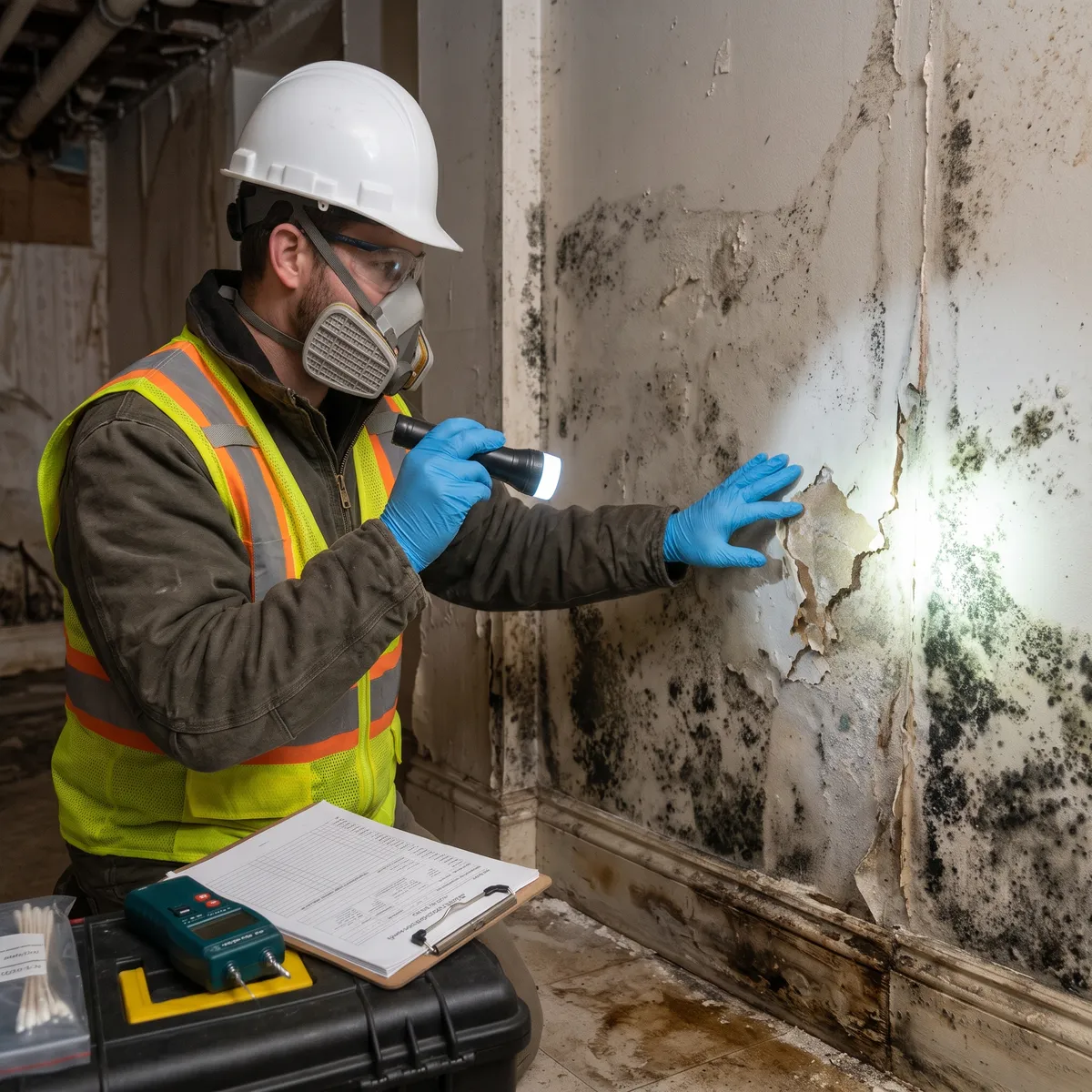
Mold spores are ubiquitous, literally occupying the air we breathe. When organic materials become wet (especially materials that aren’t normally wet), the wet substrate promotes mold spore germination. Mold needs moisture, organic matter, and an appropriate temperature to promote its growth. If you take away any one of these, mold cannot grow.
When the presence of mold is suspected, ESA can determine if there is an issue that requires professional remediation. Not everything that appears to be mold is mold, and not every mold problem requires an expensive solution. Depending on what ESA observes in a visual inspection, mold sampling and testing may be recommended. If remediation is required, ESA will then recommend an independent mold remediation company.
Asbestos
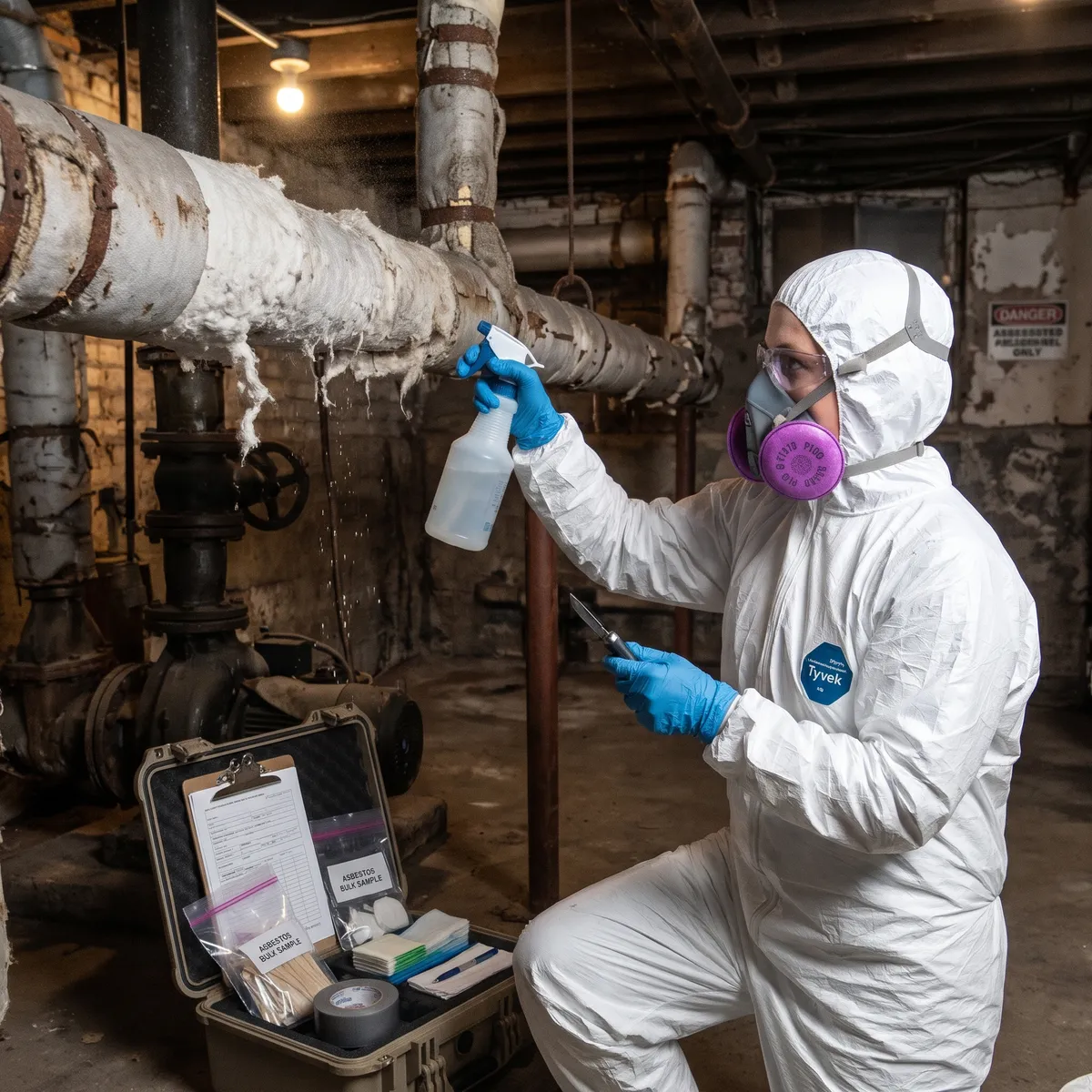
Asbestos was nicknamed “the magic mineral” because, during the 20th century, it was used in an incalculable array of manufactured items. Only later was it discovered that chronic inhalation of asbestos fibers can cause serious and often lethal respiratory ailments. The good news is, just because asbestos is present, that doesn’t mean it’s a danger. The key is the form in which the asbestos exists.
The most common form of asbestos to be wary of is the wrapping typically found on pipes or boilers in older buildings. When this wrapping becomes friable (i.e., easily crumbled), fibers can become airborne. Under such conditions, the asbestos can either be repaired or removed; most people opt to remove it.
Asbestos may also be present in non-friable forms. These forms of asbestos are normally safe and pose no risk from airborne fibers if they remain undisturbed. Examples include vinyl asbestos floor tiles, shingles, and transite. Transite can release airborne fibers if it is cut, cracked, or otherwise demolished. So, the presence of transite is mostly a concern of contractors.
If you suspect that asbestos may be present in your building, do not attempt to remove it on your own. Contact ESA to schedule an inspection to determine the safest course of action.
COMMON QUESTIONS
FAQs About Mold and Asbestos
Learn more about ESA's environmental investigation services, soil and groundwater sampling methods, and what to expect when potential contamination is identified. Find answers to common questions about the investigation process, testing, and next steps.
1. What indoor environmental services does ESA provide?
ESA provides environmental inspection and assessment services to help identify potential indoor environmental concerns, particularly mold and asbestos. These services help property owners understand building conditions and determine whether further testing or professional remediation is necessary.
2. What causes mold to grow inside a building?
Mold develops when moisture, organic materials, and suitable temperatures create conditions for growth. Water leaks, flooding, condensation, and persistent dampness can encourage mold growth on building materials and other surfaces.
3. Does every suspected mold problem require professional remediation?
No. Not everything that appears to be mold is actually mold, and not every mold issue requires an expensive remediation project. ESA can perform a visual inspection and determine whether mold sampling, testing, or professional remediation is appropriate.
4. When should mold sampling and testing be performed?
Mold sampling and testing may be recommended when a visual inspection identifies suspected mold growth or when additional information is needed to evaluate an indoor environmental concern. ESA determines whether testing is necessary based on the observed conditions.
5. What is asbestos, and where can it be found?
Asbestos is a naturally occurring mineral that was widely used in building materials during the 20th century. It may be found in pipe and boiler insulation, vinyl floor tiles, shingles, and transite products, particularly in older buildings.
6. Is asbestos always dangerous when present in a building?
No. The risk depends largely on the condition and form of the asbestos-containing material. Intact, non-friable materials generally pose a lower risk when left undisturbed, while damaged or friable materials can release asbestos fibers into the air.
7. What is friable asbestos, and why is it a concern?
Friable asbestos refers to material that can be easily crumbled or reduced to powder by hand pressure when dry. Examples include certain types of older pipe and boiler insulation. These materials are a concern because they can release airborne asbestos fibers that may be inhaled.
8. What should I do if I suspect asbestos in my building?
Do not attempt to remove, cut, or disturb the suspected material. Contact ESA to arrange an inspection and determine whether testing or professional asbestos removal is necessary. Proper evaluation helps reduce the risk of releasing harmful fibers.
9. Does asbestos need to be removed from every building?
No. If asbestos-containing materials are in good condition and remain undisturbed, removal may not be necessary. Depending on the material's condition and intended building activities, repair, management, or removal may be appropriate.
10. What happens if ESA identifies a mold or asbestos problem?
ESA evaluates the observed conditions and recommends the appropriate next steps. For mold concerns requiring remediation, ESA recommends an independent mold remediation company. For asbestos concerns, ESA helps determine the safest course of action based on the material's condition and potential exposure risks.
LET'S GET STARTED
Concerned About Mold or Asbestos in Your Property?
Identifying potential indoor environmental concerns is an important step toward determining the appropriate response. Whether you suspect mold growth, have concerns about asbestos-containing materials, or need an environmental inspection, ESA can help evaluate your situation and recommend the next steps.
Ask our expert environmental consultants for help solving your environmental challenges.